نویسنده “سامعه علمیار”
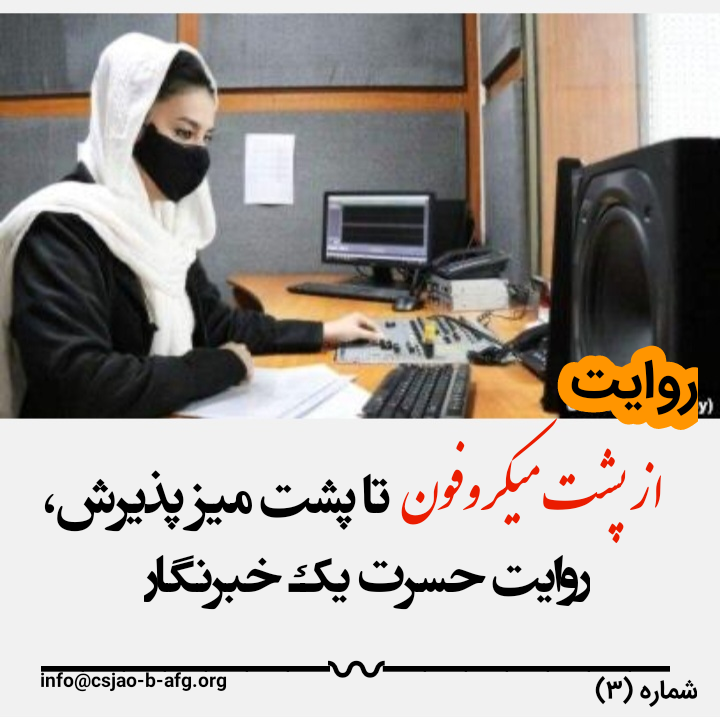
نسترن پشت میز پذیرش یک مکتب خصوصی در کابل نشسته است. یک پیاله چای در دست دارد و آرامآرام از آن مینوشد. رفتوآمد شاگردان و صدای زنگ مکتب در اطرافش جریان دارد؛ اما وقتی از گذشتهاش حرف میزند، گاهی نگاهش از فضای مکتب جدا میشود و به دوردستها خیره میماند؛ انگار برای چند لحظه از اینجا فاصله میگیرد و به سالهایی برمیگردد که زندگی برایش رنگ دیگری داشت.
سی ساله است و مادر دو کودک؛ یکی هشتساله و دیگری پنجساله. هر روز از ساعت هفت صبح تا چهار بعد از چاشت در همین مکتب کار میکند و در پایان ماه ۵۰۰۰ افغانی معاش میگیرد. زندگی امروز نسترن با روزهایی که خبرنگار بود، تفاوت زیادی دارد؛ تفاوتی که فقط در نوع کار و میزان درآمد خلاصه نمیشود؛ بلکه در فاصلهی است که میان آنچه دوست داشت و آنچه امروز برای ادامه زندگی انجام میدهد، ایجاد شده است.
نسترن زمانی خبرنگار بود و از کارش درآمد ماهانه حدود ۳۰ هزار افغانی داشت. خبرنگاری برایش تنها یک وظیفه و وسیلهی برای بهدست آوردن معاش نبود. او این کار را دوست داشت؛ کاری که به او فرصت میداد با مردم در تماس باشد، قصههایشان را بشنود و اتفاقاتی را که در اطرافش میگذشت، روایت کند.
وقتی از آن روزها یاد میکند، چهرهاش تغییر میکند. چشمهایش برق میزند و لبخندی روی لبهایش مینشیند. برای چند لحظه، انگار همان روزها دوباره پیش چشمش زنده میشوند. از خبرنگاری با شوق حرف میزند؛ از روزهایی که کار داشت، درآمدش خوب بود و احساس میکرد در مسیری قرار دارد که خودش آن را انتخاب کرده است. اما آن زندگی دوام نیاورد.
پس از سقوط نظام جمهوری، نسترن نیز مانند بسیاری از زنان، کارش را از دست داد. شغلی که سالها برایش زحمت کشیده و به آن علاقهمند بود، دیگر ادامه پیدا نکرد. با از دست دادن کار، درآمدش نیز از بین رفت و زندگی خانوادگیاش وارد مرحلهی تازه شد.
در همان دوره، فرصت دیگری برای نسترن به وجود آمد. درخواست او برای رفتن به خارج از کشور پذیرفته شده بود. او و همسرش تصمیم داشتند از افغانستان خارج شوند و زندگی تازهی را در جای دیگری آغاز کنند. نسترن این فرصت را میتوانست راهی برای ادامه زندگی حرفهی خود نیز ببیند؛ راهی که شاید میتوانست دوباره او را به خبرنگاری برگرداند.
اما در خانوادههای افغانستان، تصمیم برای رفتن یک زن همیشه تنها به خواست خودش و همسرش وابسته نیست. گاهی نظر بزرگتر خانواده، سنت و وابستگیهای خانوادگی نیز در چنین تصمیمهایی نقش تعیینکننده دارد.
در مورد نسترن نیز همین اتفاق افتاد.
پدرشوهرش با رفتن آنها موافق نبود و اجازه نداد نسترن و همسرش از کشور خارج شوند. او نمیخواست از پسر و نواسههایش دور شود و همین وابستگی خانوادگی سبب شد تصمیم رفتن عملی نشود.
نسترن ماند.
اما سالها بعد، وقتی به آن فرصت ازدسترفته فکر میکند، حسرت در حرفهایش آشکار میشود. خودش میگوید:
«کاش میرفتم تا ای شرایط بد اینجه ره تجربه نمیکردم.»
بعد از مکثی، به این فکر میکند که اگر آن روز میرفت، شاید مسیر زندگیاش امروز متفاوت میبود؛ شاید میتوانست در خارج از کشور نیز به خبرنگاری ادامه بدهد، کاری که هنوز هم دوستش دارد.
این «شاید» برای نسترن فقط یک تصور ساده نیست. بخشی از حسرت زندگی امروز اوست؛ حسرت فرصتی که زمانی در برابرش قرار داشت و از دست رفت.
امروز او در کابل زندگی میکند. همسرش یک دکان دارد، اما وضعیت اقتصادی خانواده خوب نیست. درآمد خانواده برای تأمین نیازهای زندگی کافی نیست و نسترن نیز برای کمک به مخارج خانه، در یک مکتب خصوصی کار میکند.
کارش از ساعت هفت صبح آغاز میشود و تا چهار بعد از چاشت ادامه دارد. معاش ماهانهاش ۵۰۰۰ افغانی است. او پس از پایان کار، به خانه برمیگردد؛ جایی که دو کودک پنج و هشتسالهاش منتظر او هستند.
برای نسترن، این زندگی شاید خیلی دور از تصویری باشد که روزی از آیندهاش داشت. زنی که زمانی حدود ۳۰ هزار افغانی درآمد داشت و در حوزهی کار میکرد که به آن علاقه داشت، امروز برای تأمین بخشی از هزینههای خانواده با معاش ۵۰۰۰ افغانی در مکتب کار میکند.
اما چیزی که در زندگی او تغییر نکرده، علاقهاش به خبرنگاری است.
وقتی درباره کار گذشتهاش صحبت میکند، برخلاف بخشهای دیگر زندگیاش، صدایش جان تازهی میگیرد. نگاهش روشنتر میشود و لبخندی که روی صورتش میآید، نشان میدهد خبرنگاری هنوز برایش تنها خاطرهی از گذشته نیست.
شاید به همین دلیل است که گذشته برای نسترن هم شیرین است و هم دردناک؛ شیرین، چون یادآور روزهایی است که کاری را انجام میداد که دوستش داشت؛ و دردناک، چون میداند بازگشت به آن روزها به آسانی ممکن نیست.
او هنوز سیساله است و هنوز به خبرنگاری علاقه دارد. اما زندگی امروز، میان او و آن شغل فاصله انداخته است. فاصلهی که با بیکاری آغاز شد، با از دست رفتن فرصت رفتن بیشتر شد و حالا در پشت میز پذیرش مکتب، هر روز بیشتر خودش را نشان میدهد.
گاهی نسترن هنگام صحبت، چایش را آرامآرام مینوشد و چشمهایش برای چند ثانیه به نقطهی دور خیره میماند. انگار در ذهنش همان روزهایی را مرور میکند که خبرنگار بود؛ روزهایی که با شوق سر کار میرفت، گزارش تهیه میکرد و از کاری که انجام میداد، احساس رضایت داشت.
اما صدای شاگردان و رفتوآمد مکتب دوباره او را به امروز برمیگرداند.
به پشت همان میز.
به کاری که اکنون دارد.
به معاش ۵۰۰۰ افغانی.
و به زندگی که باید با آن ادامه بدهد.
شاید نسترن بیش از هر چیز، دلتنگ خود آن روزها باشد؛ دلتنگ زنی که در آن روزها برای آیندهاش انتخابهای بیشتری داشت.
او نمیداند اگر آن روز از کشور خارج میشد، امروز دقیقاً کجا بود. نمیداند آیا میتوانست دوباره خبرنگار شود یا نه. اما یک چیز را میداند: اگر میرفت، دستکم این حسرت را با خود نداشت که شاید میتوانست زندگی دیگری را تجربه کند.
حالا هر روز صبح، ساعت هفت، پشت میز پذیرش مینشیند و تا چهار بعد از چاشت کار میکند. زندگی برایش متوقف نشده است؛ دو کودک دارد، خانواده دارد و مسوولیتهایی که نمیتوان آنها را کنار گذاشت.
اما در میان همین زندگی روزمره، هنوز زنی در وجود نسترن زندگی میکند که خبرنگار بود؛ زنی که از کارش لذت میبرد، درآمد مناسبی داشت و برای آیندهاش رویاهایی ساخته بود.
شاید آن زن هنوز منتظر فرصتی باشد تا دوباره قلم بردارد.
شاید هنوز در دل نسترن این امید زنده باشد که روزی دوباره به کاری برگردد که دوستش داشت.
اما فعلاً، زندگی او میان میز پذیرش یک مکتب و خاطرات یک اتاق رسانهی جریان دارد؛ میان معاش ۵۰۰۰ افغانی امروز و درآمد ۳۰ هزار افغانی دیروز؛ میان ماندنی که انتخاب آسانی نبود و رفتنی که دیگر امکانش مثل گذشته در دسترس نیست.
نسترن چایاش را تمام میکند. نگاهش برای لحظهی دوباره به دوردستها میرود؛ همان جایی که خاطرات روزهای خبرنگاری هنوز زندهاند.
بعد به کارش برمیگردد.
و شاید هیچکس در آن مکتب نداند زنی که امروز پشت میز پذیرش نشسته، روزگاری خبرنگاری بود که کارش را دوست داشت و حالا، بیش از هر چیز، با حسرت به فرصتی فکر میکند که شاید میتوانست مسیر زندگیاش را تغییر دهد.
Nastaran sits behind the reception desk of a private school in Kabul. She holds a cup of tea in her hand and takes slow sips. Students move around her, and the sound of the school bell fills the air. But whenever she talks about her past, her eyes sometimes drift away from the school and stare into the distance—as if, for a few moments, she leaves this place and returns to the years when her life had a different color.
She is 30 years old and the mother of two children, an eight-year-old and a five-year-old. Every day, she works at the same school from seven in the morning until four in the afternoon. At the end of the month, she earns 5,000 Afghanis.
Nastaran’s life today is very different from the days when she worked as a journalist. The difference is not only in the type of work she does or how much she earns. It is also the distance that has grown between what she once loved and what she now does simply to keep her life going.
Nastaran was once a journalist. She earned around 30,000 Afghanis a month. Journalism was not merely a job or a way to earn a living for her. She loved the work. It gave her the opportunity to meet people, listen to their stories and report on the events happening around her.
When she remembers those days, her face changes. Her eyes light up and a smile appears on her lips. For a few moments, it seems as though those days have come alive again before her.
She speaks about journalism with enthusiasm—about the days when she had a job, a good income and the feeling that she was following a path she had chosen for herself.
But that life did not la.
After the fall of the Islamic Republic, Nastaran, like many other women, lost her job. The profession she had worked hard for and cared deeply about was no longer something she could continue. With the loss of her job came the loss of her income, and her family’s life entered a new phase.
Around the same period, another opportunity emerged for Nastaran. Her application to leave Afghanistan had been accepted. She and her husband decided to leave the country and begin a new life somewhere else.
For Nastaran, this opportunity could also have been a way to continue her professional career—a chance that might have allowed her to return to journalism.
But in Afghan families, a decision for a woman to leave the country does not always depend only on her own wishes or those of her husband. The views of older family members, traditions and family ties can also play a decisive role.
That is what happened to Nastaran.
Her father-in-law did not agree with their departure and did not allow Nastaran and her husband to leave the country. He did not want to be separated from his son and grandchildren. That family attachment ultimately prevented them from leaving.
Nastaran stayed.
Years later, however, when she thinks about the opportunity she lost, the regret is clear in her voice.
“I wish I had left. I wish I had not had to experience these difficult conditions here,” she says.
After a pause, she wonders how different her life might have been if she had left Afghanistan that day. Perhaps she could have continued working as a journalist abroad—the profession she still loves.
For Nastaran, this “perhaps” is more than a simple thought. It has become part of the regret she carries about her life today—a regret over an opportunity that once stood before her but was lost.
Today, she lives in Kabul. Her husband owns a small shop, but the family’s economic situation is difficult. Their income is not enough to cover all their needs, so Nastaran works at a private school to help support the household.
Her working day begins at seven in the morning and ends at four in the afternoon. When her work is finished, she returns home, where her two children, aged five and eight, are waiting for her.
For Nastaran, this life may be far from the future she once imagined.
A woman who once earned around 30,000 Afghanis a month and worked in a field she genuinely loved now works at a school for 5,000 Afghanis a month simply to contribute to her family’s expenses.
Yet one thing has not changed: her love for journalism.
When she talks about her former profession, her voice gains a new energy. Her eyes become brighter, and the smile on her face shows that journalism is not merely a memory from the past.
Perhaps that is why the past is both sweet and painful for Nastaran.
It is sweet because it reminds her of the days when she was doing something she loved.
And it is painful because she knows that returning to those days will not be easy.
She is still only 30 years old, and she still loves journalism. But life has placed a distance between her and the profession she once pursued.
That distance began with unemployment. It grew larger when she lost the opportunity to leave the country. Now, sitting behind the reception desk of a school, she feels that distance more clearly every day.
Sometimes, while speaking, Nastaran slowly drinks her tea. Her eyes remain fixed on a distant point for a few seconds. It is as if she is replaying in her mind the days when she was a journalist—the days when she went to work with enthusiasm, prepared reports and felt a sense of fulfillment in what she was doing.
Then the voices of students and the movement around the school bring her back to the present.
Back to the same desk.
Back to the job she has now.
Back to her 5,000-afghani salary.
And back to the life she must continue living.
Perhaps more than anything, Nastaran misses the woman she used to be—the woman who had more choices for her future.
She does not know where she would be today if she had left Afghanistan. She does not know whether she would have been able to become a journalist again. But she knows one thing: if she had left, at least she would not have to live with the regret that perhaps she could have experienced a different life.
Now, every morning at seven, she sits behind the reception desk and works until four in the afternoon.
Her life has not stopped. She has two children, a family and responsibilities that cannot simply be put aside.
But somewhere within this ordinary routine, the woman who once was a journalist is still alive.
The woman who enjoyed her work, earned a decent income and had dreams for her future.
Perhaps that woman is still waiting for an opportunity to pick up her pen again.
Perhaps, deep inside Nastaran, there is still hope that one day she will return to the work she loves.
For now, however, her life exists somewhere between the reception desk of a school and the memories of a newsroom; between the 5,000 Afghanis she earns today and the 30,000 Afghanis she once earned; between staying behind—a choice that was never easy—and leaving, an opportunity that is no longer within her reach as it once was.
Nastaran finishes her tea.
For a moment, her eyes once again drift into the distance, toward the place where the memories of her days as a journalist are still alive.
Then she returns to her work.
And perhaps no one at that school knows that the woman sitting behind the reception desk was once a journalist who loved her work—and who now, more than anything, thinks with regret about an opportunity that might have changed the course of her life.
