نویسنده ” سامعه علمیار”
یادداشت: «سارا» نام مستعار این مربی تکواندو است. بهدلیل حساسیت شرایط و برای حفظ امنیت او و خانوادهاش، نام واقعی او در این گزارش ذکر نشده است.
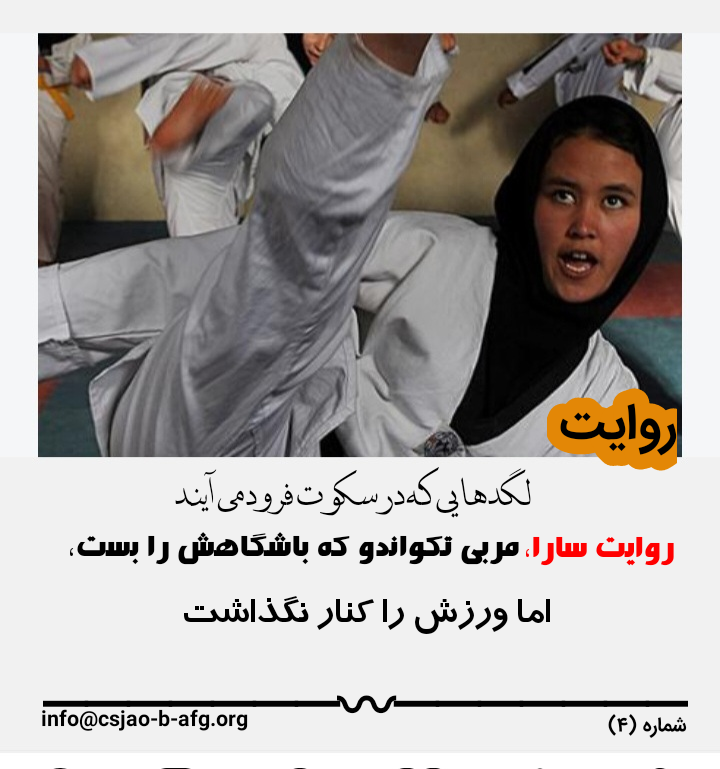
وقتی وارد زیرزمین خانه سارا شدم چند دوشک ورزشی کنار هم پهن شده و چند دختر در گوشهای از اتاق مشغول تمریناند. فضای زیرزمین کوچک است و امکانات زیادی ندارد، اما برای سارا همینجا محل آموزش تکواندو به دخترانی است که دیگر امکان رفتن به باشگاه را ندارند. سارا در حالی که دوشکها را مرتب میکند، میگوید،اینجا مثل باشگاه قبلی نیست، اما فعلاً همین امکانات را داریم. مهم این است که دخترها ورزش را ترک نکنند.
سارا ۳۲ ساله است و پیش از رویکارآمدن طالبان، یک باشگاه تکواندو داشت. در آن زمان، دختران زیادی نزد او تمرین میکردند و برخی از شاگردانش برای شرکت در مسابقات آماده میشدند. او میگوید باشگاه برایش تنها یک محل کار نبود؛ سالها وقت و انرژی خود را صرف آموزش دخترانی کرده بود که علاقهمند به ورزش بودند و میخواستند در این رشته پیشرفت کنند.
با تغییر وضعیت سیاسی افغانستان و محدودیتهای اعمالشده بر ورزش زنان و دختران، فعالیت باشگاه سارا نیز متوقف شد. او مجبور شد درهای باشگاهش را ببندد و شاگردانش پراکنده شوند. بسیاری از دخترانی که بهطور منظم تمرین میکردند، دیگر نتوانستند به ورزش ادامه دهند. سارا میگوید در ابتدا فکر میکرد شاید بتواند مدتی صبر کند، اما وقتی دید وضعیت ادامهدار شده است، تصمیم گرفت راه دیگری برای آموزش پیدا کند.
حالا بخشی از زیرزمین خانهاش را به محل تمرین تبدیل کرده است. تعداد شاگردان محدود است و تمرینها با احتیاط انجام میشود. دختران در گروههای کوچک میآیند و سارا تلاش میکند رفتوآمد آنان باعث جلب توجه نشود. او میگوید فعالیت در چنین شرایطی برایش بدون نگرانی نیست و همیشه احتمال دارد با مشکل روبهرو شود.
یکی از شاگردانش که مدتی است نزد او تمرین میکند، درباره سارا میگوید: «وقتی باشگاه بسته شد، فکر میکردیم دیگر نمیتوانیم تمرین کنیم. سارا گفت اگر امکانات کم هم باشد، میتوانیم ادامه بدهیم. برای همین هنوز نزد او میآییم.» او میگوید برایش مهم است که مربیاش با وجود شرایط موجود، آموزش دختران را متوقف نکرده است.
سارا در حالی که وسایل تمرین را جمع میکند، میگوید: «مه نمیگویم شرایط آسان است. ترس وجود داره. آدم نمیفهمه اگر کسی بفهمه، چی پیش میایه. اما اگر یک دختر بیایه و بگویه میخواهم تکواندو یاد بگیرم، مه نمیتونم بهش بگویم نیا.» به گفته او، تعداد شاگردانش نسبت به گذشته بسیار کمتر شده، اما همین تعداد محدود نیز برایش اهمیت دارد.
او میگوید،حتا اگر یک دختر هم بخواد یاد بگیره، مه حاضر هستم ادامه بتم. سارا باور دارد که توقف کامل فعالیتهای ورزشی دختران، علاوه بر دورکردن آنان از ورزش، باعث میشود نسلی از دختران ورزشکار و مربی نیز از بین برود. به همین دلیل تلاش میکند آنچه را که خودش طی سالها آموخته، به شاگردانش منتقل کند.
در میان شاگردان سارا، دختر کوچک خودش نیز علاقه زیادی به تکواندو دارد. هر بار که مادرش تمرین میدهد، او از نزدیک حرکات را تماشا میکند و تلاش میکند همان حرکتها را تکرار کند. سارا میگوید دخترش از کودکی به ورزش علاقه نشان داده و خودش نیز تلاش میکند تا این علاقه را تقویت کند.
سارا میگوید آموزش دخترش برای او تنها یک علاقه خانوادگی نیست. او میخواهد دخترش در آینده بتواند آنچه را یاد گرفته به دیگران نیز آموزش بدهد. سارا نگران آینده خودش و شاگردانش است و نمیداند محدودیتهای فعلی چه مدت ادامه خواهد داشت. به همین دلیل میخواهد دخترانی را تربیت کند که در صورت تغییر شرایط، بتوانند دوباره فعالیتهای ورزشی زنان را از سر بگیرند.
او میگوید: «شاید یک روز شرایط تغییر کنه. شاید مه نباشم یا نتانم ادامه بتم. اما اگر دخترهایی باشند که ورزش را بلد باشند و مربی شوند، راه دوباره شروع میشود. مه میخوام ساراهای دیگه باشند که به دخترهای این کشور یاد بتند.»
شوهر سارا نیز با فعالیت او مخالفتی ندارد. سارا میگوید حمایت او باعث شده بتواند با وجود نگرانیها، تمرینهای محدود خود را ادامه دهد. با این حال، فعالیت در خانه همچنان با احتیاط انجام میشود. او نمیخواهد شاگردانش یا خانوادهاش به دلیل این تمرینها با مشکل روبهرو شوند.
پیش از تعطیلی باشگاه، سارا برنامه تمرینی مشخص داشت، شاگردان بیشتری میپذیرفت و برای مسابقات آمادهشان میکرد. حالا بخش زیادی از کارش به آموزش اصول ابتدایی و حفظ آمادگی جسمی دختران محدود شده است. با این حال، میگوید برایش مهم است که ارتباط دختران با ورزش قطع نشود.
یکی دیگر از شاگردانش میگوید: «سارا همیشه میگه شاید امروز شرایط سخت باشه، اما نباید فکر کنیم همهچیز برای همیشه تمام شده. همین که تمرین کنیم، یعنی هنوز ورزش را کنار نگذاشتیم.»
سارا نیز همین دیدگاه را دارد. او میگوید هدفش این نیست که در شرایط فعلی یک باشگاه بزرگ راهاندازی کند؛ میخواهد تا زمانی که امکان دارد، علاقه دختران به ورزش را زنده نگه دارد. برای او، هر دختری که بتواند یک حرکت جدید یاد بگیرد، بخشی از این تلاش است.
او در پایان تمرین، دوشکها را دوباره مرتب میکند و وسایل را کنار دیوار میگذارد. دختر کوچکش هنوز در زیرزمین است و میخواهد یک حرکت دیگر را تمرین کند. سارا با وجود خستگی، دوباره روبهروی او میایستد و حرکت را نشان میدهد.
سارا میگوید: «مه دوست دارم روزی ورزش کدن به زنها جرم نباشه و ما بتانیم به خیال راحت ادامه بتیم.» آرزوی او فقط بازگشت به باشگاه سابقش نیست؛ میخواهد دختران افغانستان دوباره فرصت داشته باشند ورزش کنند، آموزش ببینند و در آینده خودشان مربی شوند.
برای سارا، ادامهدادن این تمرینهای محدود شاید نتواند جای باشگاه سابقش را بگیرد، اما دستکم اجازه نمیدهد رشتهای که سالها برایش زحمت کشیده، کاملاً قطع شود. او امیدوار است روزی شرایط تغییر کند و دخترانی که امروز در یک زیرزمین کوچک تمرین میکنند، در سالنهای ورزشی بزرگتر به دختران دیگری آموزش بدهند؛ دخترانی که شاید یکی از آنان همان «سارای دیگری» باشد که او امروز برای ساختنش تلاش میکند.
Kicks That Land in Silence
Sara’s story: The taekwondo coach who closed her gym but did not give up the sport
Note: “Sara” is a pseudonym for this taekwondo coach. Due to the sensitivity of the situation and to protect her and her family’s safety, her real name is not mentioned in this report.
When I entered Sara’s basement, several exercise mats had been laid out next to one another, and several girls were practicing in one corner of the room. The basement is small and has very limited facilities, but for Sara, it has become a place where she teaches taekwondo to girls who no longer have the opportunity to attend a gym.
As Sara arranges the mats, she says: “It is not like my previous gym, but for now, these are the facilities we have. What matters is that the girls do not give up sports.”
Sara is 32 years old. Before the Taliban came to power, she ran a taekwondo gym. At that time, many girls trained with her, and some of her students were preparing to participate in competitions. She says the gym was more than just a workplace for her; for years, she had devoted her time and energy to training girls who were interested in sports and wanted to advance in the field.
Following the political changes in Afghanistan and the restrictions imposed on women’s and girls’ sports, Sara’s gym was also forced to stop operating. She had to close its doors, and her students became scattered. Many of the girls who had trained regularly could no longer continue practicing. Sara says that at first she thought she might be able to wait for a while, but when she realized the situation was continuing, she decided to find another way to teach.
Now, she has turned part of her home’s basement into a training space. The number of students is limited, and the sessions are held cautiously. The girls come in small groups, and Sara tries to ensure that their visits do not attract attention. She says working under such circumstances is not without fear, and there is always the possibility that she could face problems if people discover what she is doing.
One of her students, who has been training with her for some time, says of Sara: “When the gym closed, we thought we would no longer be able to practice. Sara told us that even with limited facilities, we could continue. That is why we still come to her.”
She says it is important to her that her coach has not stopped training girls despite the current circumstances.
As Sara gathers the training equipment, she says: “I’m not saying the situation is easy. There is fear. You don’t know what might happen if someone finds out. But if a girl comes and says she wants to learn taekwondo, I can’t tell her not to come.”
According to her, the number of students is far smaller than it was in the past, but even this limited number is important to her.
She says: “Even if there is just one girl who wants to learn, I am willing to continue.”
Sara believes that completely stopping girls’ sports activities would not only distance them from sports, but could also result in the loss of a generation of female athletes and coaches. That is why she is trying to pass on to her students what she herself has learned over the years.
Among Sara’s students is her young daughter, who is also very interested in taekwondo. Whenever her mother trains the girls, she watches the movements closely and tries to repeat them herself. Sara says her daughter has shown an interest in sports since childhood, and she is also trying to encourage that interest.
Sara says teaching her daughter is more than a family interest for her. She wants her daughter to be able to pass on what she has learned to others in the future.
Sara is worried about her own future and that of her students, and she does not know how long the current restrictions will continue. For this reason, she wants to train girls who, if circumstances change, will be able to help restart women’s sports activities.
She says: “Maybe one day the situation will change. Maybe I won’t be here, or maybe I won’t be able to continue. But if there are girls who know the sport and become coaches, the path can begin again. I want there to be other Saras who can teach the girls of this country.”
Sara’s husband also does not oppose her activities. She says his support has enabled her to continue the limited training sessions despite the concerns. Nevertheless, the activities at home are still carried out cautiously. She does not want her students or family to face problems because of these training sessions.
Before her gym was closed, Sara had a structured training program, accepted more students, and prepared them for competitions. Now, much of her work is limited to teaching basic techniques and helping the girls maintain their physical fitness. Still, she says what matters to her is preventing the girls from losing their connection with sports.
Another one of her students says: “Sara always tells us that maybe things are difficult today, but we should not think that everything is over forever. As long as we keep practicing, it means we have not given up on sports.”
Sara shares the same view. She says her goal is not to establish a large gym under the current circumstances; she simply wants to keep the girls’ interest in sports alive for as long as possible. For her, every girl who learns a new movement is part of that effort.
At the end of the training session, Sara arranges the mats again and places the equipment against the wall. Her young daughter is still in the basement and wants to practice one more movement. Despite being tired, Sara stands in front of her again and demonstrates the movement.
Sara says: “I would love to see a day when women playing sports is no longer considered a crime and we can continue without fear.”
Her wish is not simply to return to her former gym; she wants the girls of Afghanistan to once again have the opportunity to play sports, receive training, and eventually become coaches themselves.
For Sara, continuing these limited training sessions may not replace her former gym, but at least it prevents the sport she has worked so hard for over the years from disappearing completely.
She hopes that one day the circumstances will change and that the girls who are training today in a small basement will teach other girls in larger sports halls — girls who may include one of those “other Saras” she is working to create today.
