نویسنده “سامعه علمیار ”
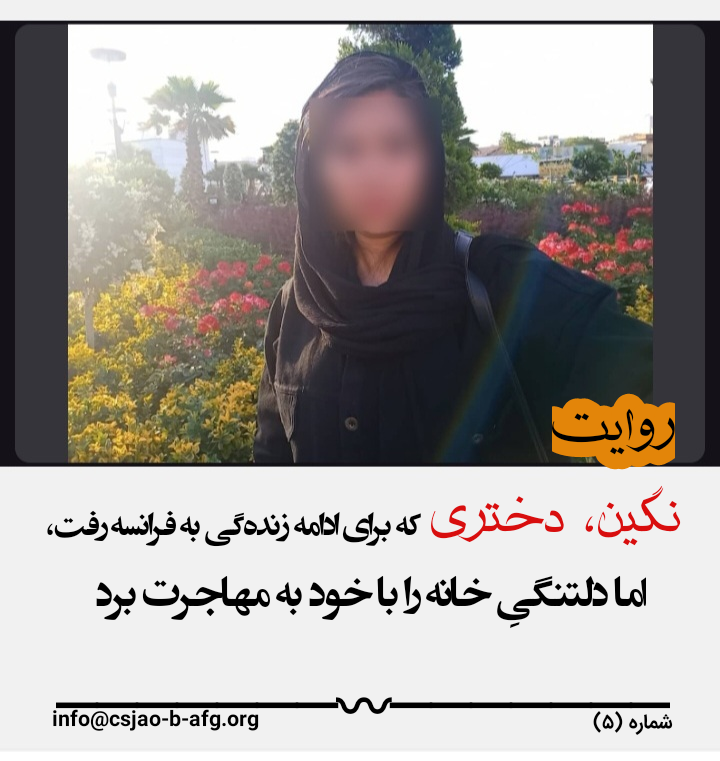
روایت زنی که آمدن طالبان درسهایش را نیمهتمام گذاشت، ازدواج او را به فرانسه رساند و مهاجرت به او آموخت که هیچجا، هرقدر هم امن و راحت باشد، جای خانه را نمیگیرد.
این روایت را نگین از پشت صفحه لپتاپ برایم تعریف میکند. او در فرانسه نشسته و من از آن سوی صفحه به قصه زنی گوش میدهم که روزی با شوق رفتن، افغانستان را ترک کرد؛ با این فکر که در کشوری دیگر میتواند درس بخواند، کار کند و زندگی بهتری داشته باشد. اما حالا، بعد از گذشت مدتی از زندگیاش در فرانسه، وقتی از آن روزها حرف میزند، صدایش میان رضایت از زندگی امروز و دلتنگی برای زندگی گذشته گیر میماند.
نگین پیش از آمدن طالبان، مشغول درس خواندن بود. برای آیندهاش برنامه داشت و میخواست تحصیلش را تمام کند؛ اما با آمدن طالبان، درسهایش نیمهتمام ماند. مدرسه و دانشگاه برای دختران محدود شد و آیندهای که نگین برای خودش تصور کرده بود، ناگهان شکل دیگری گرفت. در همان روزها، خانوادهاش تصمیم گرفتند او را به ازدواج بدهند. نامزدش در فرانسه زندگی میکرد و قرار بود نگین نیز بعد از ازدواج، به او بپیوندد.
اما رسیدن به فرانسه به این سادگی نبود. نزدیک به دو سال طول کشید تا کارهای رفتن او انجام شود. دو سال انتظار برای روزی که قرار بود زندگیاش تغییر کند؛ دو سالی که هر بار به آینده فکر میکرد، خودش را در فرانسه میدید. میگوید آن روزها بیشتر از هر چیزی خوشحال بود که قرار است از افغانستان بیرون شود و به جایی برود که بتواند دوباره برای آیندهاش تصمیم بگیرد.
«اولش خیلی خوشحال بودم که کشور را ترک میکنم. فکر میکردم وقتی به فرانسه برسم، زندگیام بهتر میشود، میتوانم درس بخوانم، کار کنم و آیندهام را بسازم. فکر میکردم رفتن یعنی رسیدن به یک زندگی بهتر.»
اما وقتی بالاخره وارد فرانسه شد، چیزی را تجربه کرد که پیش از آن نمیشناخت؛ درد مهاجرت.
او میگوید تا زمانی که در افغانستان بود، شاید معنای واقعی مهاجرت را نمیفهمید. تصورش این بود که مهاجرت یعنی رفتن از جایی که مشکلات دارد به جایی که امکانات بیشتر است. اما وقتی وارد فرانسه شد، فهمید انسان فقط کشورش را ترک نمیکند؛ آدمها، خاطرهها، صداها، کوچهها، دوستان و بخشی از خودش را نیز پشت سر میگذارد.
وقتی رسیدم، تازه فهمیدم مهاجرت فقط این نیست که یک کشور را ترک کنی. وقتی از خانه و خانوادهات دور میشوی، چیزهایی را از دست میدهی که هیچکس نمیتواند برایت دوباره بسازد.
نگین حالا در فرانسه زندگی خوبی دارد. شوهرش را دوست دارد و از زندگی مشترکش راضی است. کار دارد و میتواند دوباره به درسهایش ادامه بدهد؛ چیزی که در افغانستان نتوانست انجام دهد. او از فرصتهایی که در زندگی تازهاش پیدا کرده، قدردانی میکند و نمیخواهد خوبیهای زندگی فعلیاش را نادیده بگیرد. اما در میان تمام این داشتهها، جای چیزی همیشه خالی است؛ جای خانه.
من شوهرم را دوست دارم، زندگیام را هم دوست دارم. کار دارم و حالا میتوانم دوباره درس بخوانم. اما با همه اینها، باز هم دلت برای خانهات، برای خانوادهات و برای کشورت میشود.
او میگوید سختترین بخش مهاجرت برایش تنهایی است؛ تنهاییای که همیشه با تنها بودن در یک اتاق معنا نمیشود. گاهی آدم در میان شهر، در میان مردم و در محیط کار هم میتواند احساس تنهایی کند، وقتی هیچکس زبان خاطراتش را نمیفهمد.
نگین بیشتر شبها با خانواده و دوستانش از طریق تلفن صحبت میکند. صفحه گوشی برایش شبیه پنجرهای است که از پشت آن میتواند برای چند دقیقه به خانه برگردد. صدای مادرش را بشنود، با دوستانش حرف بزند، از اتفاقهای روزمرهشان باخبر شود و برای چند لحظه فراموش کند که هزاران کیلومتر از آنها دور است.
اما همین تماسها گاهی دلتنگیاش را بیشتر میکند.
با دوستها و خانوادهام حرف میزنم، میخندیم، شوخی میکنیم؛ اما وقتی تماس خلاص میشود، بغضم میترکد. چون میفهمم که آنها آنجا هستند و من اینجا. چند دقیقه با آنها حرف میزنم، اما بعد که صفحه گوشی خاموش میشود، دوباره تنهایی میماند.
برای نگین، دلتنگی فقط برای آدمها نیست. او برای حالوهوای افغانستان نیز دلتنگ است؛ برای همان چیزهایی که زمانی آنقدر عادی بودند که شاید هیچوقت فکر نمیکرد روزی نبودشان را احساس کند. برای جمعهای خانوادگی، برای دوستانی که بدون هماهنگی میتوانست ببیندشان، برای حرف زدن با آدمهایی که لازم نبود برایشان فرهنگ و خاطراتش را توضیح بدهد.
هیچ جای دنیا برای آدم خانه نمیشود، ولو هرقدر سهولت داشته باشی. آدم میتواند اینجا زندگی خوب داشته باشد، کار داشته باشد، درس بخواند و امکانات داشته باشد، اما باز هم یک چیزی در دلش کم است.
وقتی از تفاوت زندگی در افغانستان و فرانسه حرف میزند، بیشتر از همه روی یک چیز مکث میکند؛ اینکه در کشور خودش لازم نبود برای فهمیده شدن، همه چیز را توضیح بدهد.
اینجا وقتی با کسی شوخی میکنی، شاید شوخیات را نفهمد. وقتی از یک خاطره حرف میزنی، شاید معنایش را نداند. فرهنگ تو را نمیشناسد، حرفهایت را مثل آدمهای خودت نمیفهمد. در کشور خودت میتوانی از ته دل بخندی، چون آدمهایی هستند که همان چیزهایی را دیدهاند که تو دیدهای، همان فرهنگ را دارند و همان زبان را میفهمند.
به گفته نگین، یکی از دردهای مهاجرت همین است؛ اینکه آدم در یک جای تازه، باید خودش را دوباره توضیح بدهد. باید زبان تازه یاد بگیرد، با فرهنگ تازه کنار بیاید و برای چیزهایی که در کشور خودش طبیعی بودند، راه تازهای پیدا کند.
گاهی یک کلمه از زبان مادری، یک آهنگ، یک عکس یا حتی بوی یک غذا میتواند تمام گذشته را دوباره زنده کند. در چنین لحظههایی، فاصله میان فرانسه و افغانستان برای نگین فقط فاصله روی نقشه نیست؛ فاصلهای است میان دو زندگی.
با این حال، او نمیخواهد زندگی فعلیاش را نادیده بگیرد. میخواهد درسهایش را تمام کند، کارش را ادامه بدهد و آیندهای را بسازد که زمانی از او گرفته شده بود. شاید همین ادامه دادن برایش نوعی پس گرفتن زندگی باشد؛ زندگیای که جنگ و محدودیت مسیرش را تغییر دادند.
اما هرچه بیشتر از آینده حرف میزند، دوباره صحبتش به گذشته برمیگردد؛ به افغانستان، به خانواده و به این پرسش که اگر شرایط در کشورش تغییر نمیکرد، آیا اصلاً مهاجر میشد؟
نگین برای چند لحظه سکوت میکند. بعد میگوید:
اگر میتوانستم در کشور خودم درس بخوانم، شاید هیچوقت مهاجر نمیشدم. ما میتوانستیم همانجا درس بخوانیم، کار کنیم و در کنار خانوادهمان زندگی کنیم. من خودم انتخاب نکرده بودم که از خانهام دور شوم.
در پایان گفتوگوی ما، نگین دیگر از سختیهای روزهای اول نمیگوید؛ از یک درد عمیقتر حرف میزند؛ از کسانی که به باور او باعث شدند او و دختران زیادی مثل او مجبور به تجربه مهاجرت شوند.
میگوید: من کسانی را که باعث مهاجرت ما شدند، هیچوقت نمیبخشم. ما میتوانستیم در خانه خود، در کشور خود درس بخوانیم، کار کنیم و همانجا زندگی خود را بسازیم؛ اما نگذاشتند. ما را مجبور کردند از خانواده و دوستان خود دور شویم و درد مهاجرت را تجربه کنیم.
صفحه لپتاپ همچنان روشن است. نگین در فرانسه نشسته؛ جایی که برایش فرصت درس خواندن، کار کردن و ساختن یک زندگی تازه فراهم شده است. اما پشت این زندگی تازه، دختری ایستاده که هنوز برای خانهاش دلتنگ میشود؛ برای دوستانش، برای خانوادهاش و برای کشوری که اگر فرصت انتخاب داشت، شاید هرگز مجبور به ترک آن نمیشد.
مهاجرت برای نگین پایان یک زندگی نبود؛ آغاز زندگیای بود که خودش انتخاب نکرده بود، اما حالا تلاش میکند در آن، دوباره خودش را پیدا کند.
No Place Ever Feels Like Home
Negin’s story: The girl who went to France to continue her life, but carried her longing for home with her
The story of a woman whose education was interrupted by the arrival of the Taliban, whose marriage took her to France, and whose experience of migration taught her that no place, no matter how safe or comfortable, can truly replace home.
Negin tells me her story from behind a laptop screen. She is sitting in France, while I listen from the other side of the screen to the story of a woman who once left Afghanistan with the excitement of starting a new life, believing that in another country she would be able to study, work, and have a better future.
But now, after spending some time living in France, when she talks about those days, her voice seems caught between satisfaction with her life today and longing for the life she left behind.
Before the Taliban came to power, Negin was studying. She had plans for her future and wanted to complete her education. But after the Taliban came to power, her studies were left unfinished. Schools and universities were restricted for girls, and the future Negin had imagined for herself suddenly took a different shape.
Around the same time, her family decided that she should get married. Her fiancé was living in France, and after their marriage, Negin was expected to join him there.
But reaching France was not easy. It took nearly two years for the arrangements for her departure to be completed. Two years of waiting for the day when her life was supposed to change; two years in which, whenever she thought about the future, she imagined herself in France.
She says that in those days, more than anything else, she was happy about leaving Afghanistan and going somewhere where she could once again make decisions about her future.
«“At first, I was very happy to leave the country. I thought that once I reached France, my life would become better. I would be able to study, work, and build my future. I thought leaving meant reaching a better life.”»
But when she finally arrived in France, she experienced something she had never known before: the pain of migration.
She says that as long as she was in Afghanistan, perhaps she did not truly understand what migration meant. She imagined migration as simply leaving a place with problems and going somewhere with more opportunities.
But after arriving in France, she realized that a person does not simply leave a country. They also leave behind people, memories, sounds, streets, friends, and a part of themselves.
«“When I arrived, I finally understood that migration is not simply about leaving a country. When you leave your home and family behind, you lose things that no one can rebuild for you.”»
Negin now has a good life in France. She loves her husband and is happy with her married life. She has a job and can continue her education again—something she was unable to do in Afghanistan.
She appreciates the opportunities she has found in her new life and does not want to overlook the good things she has today. But among everything she has, there is always something missing: home.
«“I love my husband, and I love my life too. I have a job, and now I can study again. But despite all of that, you still miss your home, your family, and your country.”»
She says the hardest part of migration for her is loneliness—a loneliness that does not always mean being alone in a room.
Sometimes a person can feel lonely even in the middle of a city, among people, or at work, when no one understands the language of their memories.
Negin talks to her family and friends on the phone most nights. For her, the phone screen is like a window through which she can return home for a few minutes.
She can hear her mother’s voice, talk to her friends, hear about their everyday lives, and for a few moments forget that she is thousands of kilometers away from them.
But sometimes those calls make her longing even stronger.
«“I talk to my friends and family. We laugh and joke. But when the call ends, I burst into tears. Because I realize that they are there and I am here. I talk to them for a few minutes, but once the phone screen goes dark, I am alone again.”»
For Negin, homesickness is not only about missing people. She also misses the atmosphere of Afghanistan—the things that once seemed so ordinary that she never imagined she would one day feel their absence.
She misses family gatherings, friends she could see without making plans in advance, and talking to people who did not need her to explain her culture and memories to them.
«“No place in the world feels like home, no matter how many comforts you have. You can have a good life here, have a job, study, and have access to opportunities, but there is still something missing in your heart.”»
When she talks about the differences between life in Afghanistan and France, she pauses most over one thing: in her own country, she never had to explain everything just to be understood.
«“Here, when you joke with someone, they may not understand your joke. When you talk about a memory, they may not know what it means. They do not know your culture, and they do not understand your words the way people from your own country do. In your own country, you can laugh from the heart because there are people who have seen the same things you have seen, share the same culture, and understand the same language.”»
According to Negin, this is one of the pains of migration: in a new place, a person has to explain themselves all over again.
They have to learn a new language, adapt to a new culture, and find new ways of dealing with things that were once completely natural in their own country.
Sometimes a single word in one’s mother tongue, a song, a photograph, or even the smell of a particular food can bring the entire past back to life.
In such moments, the distance between France and Afghanistan is not merely a distance on a map for Negin; it is the distance between two lives.
Still, she does not want to overlook the life she has now. She wants to complete her education, continue working, and build the future that was once taken away from her.
Perhaps continuing forward is, for her, a way of reclaiming a life—a life whose path was changed by war and restrictions.
But the more she talks about the future, the more her conversation returns to the past: to Afghanistan, to her family, and to the question of whether she would ever have become a migrant if circumstances in her country had not changed.
Negin falls silent for a few moments. Then she says:
«“If I had been able to study in my own country, perhaps I would never have become a migrant. We could have studied there, worked, and lived alongside our families. I did not choose to be away from my home.”»
At the end of our conversation, Negin no longer talks about the difficulties of her first days in France. Instead, she speaks about a deeper pain—the people whom she believes caused her and many other girls like her to experience migration.
She says:
«“I will never forgive those who caused us to migrate. We could have studied, worked, and built our lives in our own homes, in our own country. But they did not let us. They forced us to leave our families and friends behind and experience the pain of migration.”»
The laptop screen remains lit.
Negin is sitting in France, a place that has given her the opportunity to study, work, and build a new life. But behind this new life stands a girl who still longs for her home—for her friends, her family, and a country that, if she had been given the choice, she might never have been forced to leave.
For Negin, migration was not the end of one life; it was the beginning of a life she did not choose, but in which she is now trying to find herself again.
