گزارش “سامعه علمیار ”
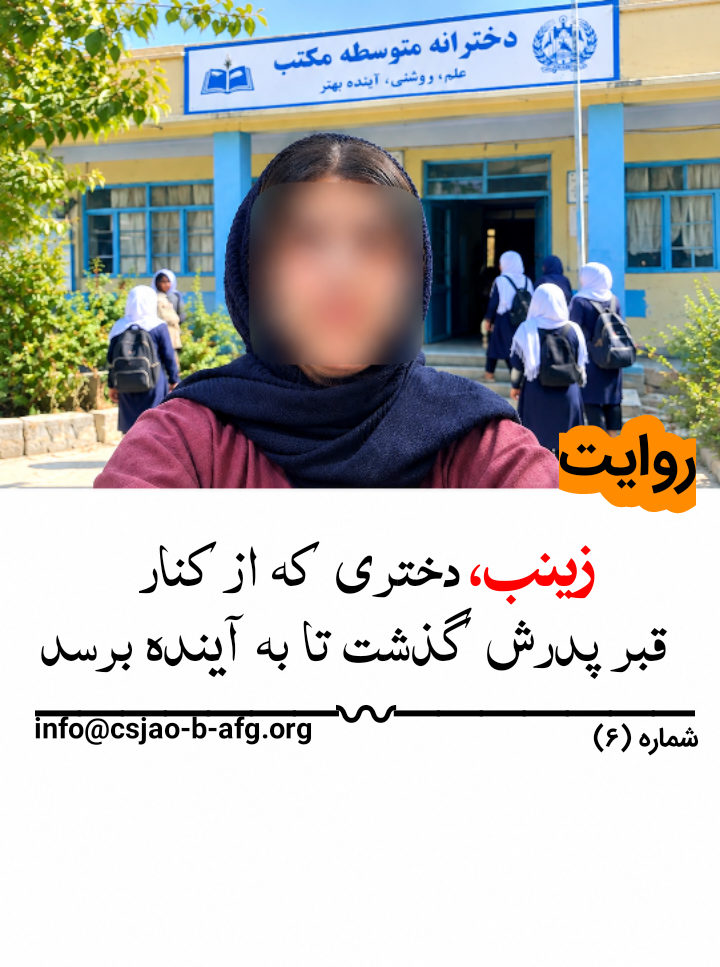
زینب را از سالهای مکتب میشناسم؛ از همان روزهایی که در یک صنف مینشستیم، با هم میخندیدیم، درباره درس و آینده حرف میزدیم و هنوز هیچکدام نمیدانستیم زندگی قرار است ما را به کدام سمت ببرد. آن روزها، آینده برای زینب ساده به نظر میرسید؛ مکتب را تمام میکرد، درسش را ادامه میداد و روزی به کاری میرسید که خودش انتخاب کرده بود.
سالها گذشت و زینب از مکتب فارغ شد. در کابل قابلهگی خواند و تحصیلاتش را به پایان رساند. برای دختری که از کودکی با سختیهای زندگی بزرگ شده بود، رسیدن به این مرحله آسان نبود. پدرش را در کودکی از دست داده بود و بعد از مرگ او، برادر بزرگترش مسئولیت خانواده را بر دوش گرفت. زینب در میان سه خواهر و دو برادر بزرگ شد؛ خانوادهای که نبودن پدر را با سکوتی طولانی تحمل کرده بود، اما تلاش میکرد زندگی از حرکت نایستد.
پدر زینب در افغانستان به خاک سپرده شده بود؛ جایی که سالها برای او فقط یک قبر نبود. هر وقت دلش میگرفت، میتوانست به آنجا برود، سر قبر پدرش بنشیند و برای چند دقیقه با خاطرههای کودکیاش خلوت کند. شاید به همین دلیل، روزی که مجبور شد افغانستان را ترک کند، یکی از سختترین چیزها برایش همین بود؛ رفتن از کشوری که پدرش در آن مانده بود.
وقتی طالبان آمدند، زندگی زینب هم مانند هزاران دختر دیگر مسیر دیگری پیدا کرد. محدودیتها بیشتر شد و آیندهای که با درس و کار برای خودش ساخته بود، دیگر مثل گذشته روشن نبود. خانواده تصمیم گرفتند افغانستان را ترک کنند و راه مهاجرت را در پیش بگیرند. زینب همراه مادر برادر و خواهر کوچکترش به ایران رفت.
اما مهاجرت برای او فقط ترک یک کشور نبود. پشت سر گذاشتن افغانستان، یعنی فاصله گرفتن از قبر پدرش، از خانهای که سالها در آن زندگی کرده بود و از شهری که تمام خاطرات نوجوانیاش در آن شکل گرفته بود.
در ایران، زینب فکر میکرد شاید بتواند مسیر تحصیلش را ادامه بدهد. میخواست برای دوره ماستری اقدام کند، اما مشکلات اقامتی اجازه نداد. هر بار که به آینده فکر میکرد، یک مانع تازه مقابلش قرار میگرفت. با این حال، هنوز امیدش را از دست نداده بود.
برادر دومش که در آلمان زندگی میکرد، برای انتقال مادر و خواهر کوچکترش به آلمان کارهای لازم را انجام داد. مدتی بعد، مدارک مادر و خواهرش آماده شد و ویزای آنها آمد؛ اما نام زینب در میان آنها نبود.
مادر و خواهرش به آلمان رفتند و زینب در ایران ماند.
این همان نقطهای بود که برای زینب، مهاجرت از یک تصمیم خانوادگی به یک آزمون شخصی تبدیل شد. یک طرف مادرش بود که به آلمان رفته بود و طرف دیگر خودش؛ دختری که نمیخواست دوباره یکی از نزدیکترین آدمهای زندگیاش را از دست بدهد.
میگوید دوری از مادر را نمیتوانست تحمل کند. باید راهی پیدا میکرد تا خودش را به آنها برساند.
از همانجا تلاش دیگری شروع شد. زینب زبان آلمانی یاد گرفت، برای بورسیه تلاش کرد و همزمان با تمام دشواریهای زندگی در ایران، دنبال راهی بود که بتواند تحصیلش را ادامه بدهد. این بار دیگر فقط مسئله رفتن نبود؛ میخواست با رفتنش آیندهای را که سالها برایش زحمت کشیده بود، دوباره به دست بیاورد.
دو سال طول کشید.
دو سال انتظار، درس خواندن، تلاش برای بورسیه و دنبالکردن کارهای اقامت.
سرانجام موفق شد. بورسیه گرفت و ویزایش صادر شد.
وقتی زینب از ایران به آلمان رفت، یکی از فصلهای سخت زندگیاش به پایان رسید؛ اما یک جدایی دیگر نیز در همان زمان اتفاق افتاد. برادر بزرگترش که مدتی همراه او در ایران بود، به افغانستان برگشت.
حالا خانواده زینب میان دو کشور پراکنده است. یک خواهرش در افغانستان مانده و یکی از برادرانش نیز آنجاست. خواهر دیگر، مادر و برادر دومش در آلمان هستند و خود زینب هم در آلمان درس میخواند.
او به جایی رسیده که سالها برایش تلاش کرده بود؛ دانشگاه، درس و فرصت ساختن آینده. همان چیزی که روزی در افغانستان برایش طبیعی بود و بعد، با تغییر شرایط، به یک آرزوی دور تبدیل شد.
اما وقتی با او صحبت میکنم، متوجه میشوم که رسیدن همیشه به معنای تمامشدن راه نیست.
زینب حالا میتواند درس بخواند. میتواند برای آیندهاش تصمیم بگیرد و برای خودش زندگیای بسازد که زمانی تصور میکرد در افغانستان خواهد داشت. اما هنوز یک آرزو در میان حرفهایش تکرار میشود؛ آرزوی اینکه روزی خانوادهاش دوباره کامل شود.
میگوید دوست دارد همه یکجا باشند؛ نه مادری در آلمان، خواهری در افغانستان، برادری در افغانستان و خودش در میان این فاصله. دلش میخواهد روزی همه اعضای خانواده زیر یک سقف جمع شوند؛ بدون اینکه برای دیدن هم مجبور باشند مرز، ویزا و هزاران کیلومتر فاصله را پشت سر بگذارند.
و در کنار این آرزو، آرزوی دیگری هم دارد؛ بازگشت به افغانستان.
زینب میگوید اگر روزی افغانستان امن و آزاد باشد، دوست دارد دوباره به کشورش برگردد و زندگی کند. نه فقط برای اینکه افغانستان وطن اوست، بلکه برای اینکه هنوز احساس میکند بخشی از زندگیاش آنجا ناتمام مانده است.
شاید برای زینب، تمام این سالها یک معنای مشترک داشته باشد؛ هر بار که به یک جا رسید، بخشی از خودش را در جای دیگری گذاشت. وقتی از افغانستان رفت، پدرش و خاطراتش را پشت سر گذاشت. وقتی مادرش به آلمان رفت، خودش در ایران ماند. وقتی خودش به آلمان رسید، برادرش به افغانستان برگشت.
او هر بار جلو رفت، اما خانوادهاش پراکندهتر شد.
امروز وقتی به گذشته نگاه میکند، از دختری یاد میکند که روزی در صنف مکتب کنار دوستانش مینشست و درباره آینده حرف میزد؛ دختری که شاید آن روز نمیدانست رسیدن به آینده چقدر هزینه دارد.
زینب حالا در آلمان نشسته، درس میخواند و به آینده فکر میکند. اما پشت تمام موفقیتهای امروز، هنوز تصویر یک قبر در افغانستان، یک خانه دور و خانوادهای پراکنده وجود دارد.
او از افغانستان رفت تا آیندهاش را از دست ندهد؛ اما هنوز امیدوار است روزی بتواند به همان جایی برگردد که همه چیز از آنجا شروع شده بود.
شاید بزرگترین آرزوی زینب دیگر فقط گرفتن یک مدرک یا ساختن یک زندگی تازه نباشد؛ آرزویش این است که یک روز، وقتی در خانهای را باز میکند، همه کسانی که دوستشان دارد آنجا باشند.
I have known Zainab since our school years; from those days when we sat in the same classroom, laughed together, talked about our studies and the future, and neither of us knew where life would eventually take us. Back then, the future seemed simple for Zainab. She would finish school, continue her education, and one day pursue the career she had chosen for herself.
Years passed, and Zainab graduated from school. In Kabul, she studied midwifery and completed her education. For a girl who had grown up with the hardships of life from an early age, reaching that stage was not easy. She lost her father when she was a child, and after his death, her older brother took responsibility for the family. Zainab grew up among three sisters and two brothers—a family that had endured the absence of their father in a long silence, while still trying to keep life moving forward.
Zainab’s father was buried in Afghanistan; a place that, for years, meant more to her than simply a grave. Whenever she felt overwhelmed, she could go there, sit beside her father’s grave, and spend a few quiet minutes alone with the memories of her childhood. Perhaps that is why, when she was forced to leave Afghanistan, one of the hardest things for her was leaving behind the country where her father remained.
When the Taliban came to power, Zainab’s life, like that of thousands of other girls, took a different course. Restrictions increased, and the future she had been building through education and work no longer seemed as bright as before. Her family decided to leave Afghanistan and embark on the path of migration. Zainab travelled to Iran with her mother, brother and younger sister.
But migration meant more to her than simply leaving a country. Leaving Afghanistan meant distancing herself from her father’s grave, from the home where she had spent years of her life, and from the city where all her teenage memories had been formed.
In Iran, Zainab thought she might be able to continue her education. She wanted to apply for a master’s degree, but residency problems prevented her from doing so. Every time she thought about the future, another obstacle appeared in front of her. Still, she had not lost hope.
Her second brother, who was living in Germany, began the necessary procedures to bring their mother and younger sister to Germany. After some time, their documents were completed and their visas were issued—but Zainab’s name was not among them.
Her mother and sister left for Germany, while Zainab remained in Iran.
This was the point at which migration changed, for Zainab, from a family decision into a personal test. On one side was her mother, who had gone to Germany; on the other was herself—a young woman who could not bear to lose another one of the people closest to her.
She says she could not endure being separated from her mother. She had to find a way to join them.
And so another struggle began. Zainab learned German, applied for scholarships and, alongside all the difficulties of life in Iran, searched for a way to continue her education. This time, it was not simply about leaving. She wanted to reclaim the future she had worked toward for years.
It took two years.
Two years of waiting, studying, applying for scholarships and following up on residency procedures.
Finally, she succeeded. She received a scholarship and her visa was issued.
When Zainab travelled from Iran to Germany, one of the most difficult chapters of her life came to an end. But at the same time, another separation took place. Her older brother, who had spent some time with her in Iran, returned to Afghanistan.
Today, Zainab’s family is scattered across two countries. One of her sisters remains in Afghanistan, and one of her brothers is also there. Her other sister, her mother and her second brother are in Germany, while Zainab herself is studying there.
She has reached the place she had worked toward for years: university, education and the opportunity to build a future. It is the same future that once seemed natural to her in Afghanistan, but which later, as circumstances changed, became a distant dream.
Yet when I speak with her, I realise that reaching somewhere does not necessarily mean that the journey is over.
Zainab can now study. She can make decisions about her future and build a life of her own—the life she once imagined she would have in Afghanistan. But one wish continues to return throughout her conversations: the hope that, one day, her family will be together again.
She says she wants everyone to be in one place—not a mother in Germany, a sister in Afghanistan, a brother in Afghanistan, and herself caught somewhere in between. She wishes that one day all the members of her family could gather under the same roof, without having to cross borders, obtain visas or travel thousands of kilometres just to see one another.
And alongside that wish, she has another: to return to Afghanistan.
Zainab says that if Afghanistan is ever safe and free, she would like to return to her country and live there again. Not only because Afghanistan is her homeland, but because she still feels that a part of her life remains unfinished there.
Perhaps, for Zainab, all these years have carried one common meaning: every time she reached somewhere, she left a part of herself somewhere else. When she left Afghanistan, she left behind her father and her memories. When her mother went to Germany, she remained in Iran. When she finally reached Germany herself, her brother returned to Afghanistan.
Each time she moved forward, her family became more scattered.
Today, when she looks back, she remembers the girl who once sat beside her friends in a school classroom and talked about the future—a girl who perhaps did not know then how much reaching that future would cost.
Zainab now sits in Germany, studying and thinking about the future. But behind all her achievements today, there is still the image of a grave in Afghanistan, a distant home, and a family scattered across borders.
She left Afghanistan so that she would not lose her future; yet she still hopes that one day she will be able to return to the place where everything began.
Perhaps Zainab’s greatest wish is no longer simply to earn a degree or build a new life. Her greatest wish is that one day, when she opens the door of a home, everyone she loves will be there.
