گزارش ح .خ”
یک زن جوان در ولسوالی/شهرستان تیوره ولایت/استان غور به شکل فجیع، پیش چشمان چهار کودک خردسالش به شکل فجیع کشنجه و سپس شده و به قتل رسیده است.
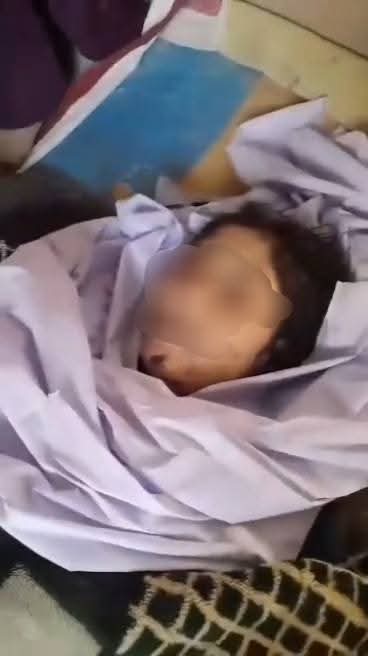
تصاویر و ویدیوهای رسیده به سازمان حمایت از جامعه مدنی نشان میدهد که سر تا پای این زن جوان نخست با سیخ داغ سوزانده، سر، صورت، گردن، هردو دست، پاها و کل اندام او نشانههایی از فرورفتگی یک فلز داغشده در خود دارد. کبودی در اکثر بخشهای بدن او آشکارا شدت لتوکوب را روایت میکند.
دستکم دو منبع آگاه از ولایت /استان غور تأیید کردند که این تصاویر مربوط به نوریه ۳۲ ساله، زن جوان از ولسوالی تیوره ولایت غور است.
منابع در روایت یکسان گفتند که نوریه باشندهی اصلی روستای «خواجه»ی ولسوالی /شهرستان پسابند ولایت /استان غور بود که حدود ۱۰ سال قبل با مردی از روستای «پشت تنگی» ولسوالی/شهرستان تیوره ازدواج کرده و دو هفته قبل در داخل خانه توسط شوهرش به قتل رسیده است
نوریه و شوهرش چهار فرزند (سه دختر و یک پسر) دارند.
بدن نوریه به مدت یک شبانهروز پس از قتل نیز در داخل خانه مانده و سپس به خاک سپرده شده است.
طالبان تا هنوز در این مورد چیزی نگفتهاند، اما منابع تأیید کردند که شوهر نوریه به اتهام قتل بازداشت شده است.
یکی از منابع انگیزهی قتل نوریه را «اختلاف خانوادگی» بیان کرد. او گفت که ابتدا نوریه و مادرشوهرش باهم جنجال لفظی داشتهاند، سپس شوهر نوریه دخالت میکند و پس از بالا گرفتن تنش میان آنان، شوهر نوریه دست به شکنجه میزند و در نهایت به قتل او اقدام میکند.
ولسوالی/شهرستان تیوره یکی از مناطق محروم و دوردست ولایت/استان غور در غرب افغانستان است. بهدلیل عدم دسترسی مردم به شبکههای مخابراتی و اینترنت، بسیاری از خشونتهای خانوادگی و رویدادهای این ولسوالی /شهرستان رسانهای نمیشود. صرف، برخی از فجیعترین وقایع به رسانهها میرسد.
پیشینهی تاریک غور در زنکشی
خودسوزی «عابده» برای نجات از ازدواج اجباری، یکی از فجیعترین وقایعی بود که سال گذشته جزئیات آن از تیوره به رسانهها درز کرد.
عابده ۲۰ ساله، بهتاریخ ۷ ثور ۱۴۰۴ خورشیدی در روستای درزاب نیلی ولسوالی/شهرستان تیوره خودسوزی کرد. منابع گفتند حاجی محمد رحمانی، فرمانده محلی طالبان، قصد داشت او را به عقد برادرش، محمدعظیم، درآورد. عابده برای نجات از ازدواج اجباری، خودش را آتش زد و جان باخت.
در مورد دیگر، یک زن و یک مرد در ۲۰ حوت ۱۴۰۰ در روستای لعلسرخ ولسوالی/شهرستان تیوره تیرباران شدند. منابع محلی افراد طالبان را عامل قتل و اتهام را «رابطهی خارج از ازدواج» عنوان کردند. اما فرماندهی امنیهی طالبان در غور پس از بازداشت متهم، این روایت را رد کرده و در آن زمان گفته بود که بستگان زن عامل قتل بودند.
نهتنها تیوره، بلکه دیگر مناطق غور نیز هرازگاهی گواه فجایع دوامدار خشونت حاد علیه زنان است.
در هشتم ثور امسال نیز یک زن ۱۸ ساله در ولسوالی پسابند که در بدل ۶۰۰ هزار افغانی به عقد مردی بهنام محبالله درآمده بود، پس از شکنجه توسط شوهرش در اثر خفگی جان باخت. نزدیکانش گفتند که فرزانه در خانهی شوهرش با خشونت روبهرو بود و پیش از مرگ از تهدید جانی شکایت کرده بود. تصاویر جسد فرزانه، آثار ضربوشتم و خفگی را نشان میدهد.
حتا در مرکز ولایت غور، با وجود نهادهای امنیتی و مراجع قضایی نیز زنکشی امر سادهای است.
بهتاریخ ۲۱ جوزای ۱۴۰۳، زن جوانی بهنام فاطمه در شهرک مهاجرین فیروزکوه، توسط شوهرش به قتل رسید. طالبان با تأیید این رویداد، شوهر فاطمه، شهابالدین را بازداشت کرده و قتل او را «قضیه ناموسی» خواندند، اما از پرونده او هنوز جزئياتی در دست نیست.
پس از آمدن طالبان در قدرت و لغو همهی نهادها و قوانین حمایت از زنان، قضایای خشونت علیه زنان، بهویژه خشونتهای حاد، بیشتر گزارش میشود.
بهتاریخ ۶ ثور ۱۴۰۲، دختر نوجوان بهنام زرمینه ۱۶ ساله در روستای صادسیاه، منطقهی سربند فیروزکوه، در مرکز غور به قتل رسید.
خانوادهی زرمینه گفتند که مردی بهنام عبدالقدوس، عضو گروه طالبان، قصد تجاوز به او را داشته و پس از آنکه زرمینه مقاومت میکند، توسط این عضو طالبان به قتل میرسد. زرمینه پس از اصابت یک گلوله به سینهاش، از اثر خونریزی جان باخته بود. عبدالقدوس پس از فرار توسط باشندگان محل بازداشت و به نیروهای طالبان سپرده شد. تصاویر بازداشت او همگانی شده است.
مشهورترین قضیهی خشونت علیه زنان در غور، سنگسار رخشانه است که عاملان سنگسار او اکنون در مسند حاکم و مجری عدالت نشستهاند.
حدود ۱۲ سال قبل، بهتاریخ ۳ میزان ۱۳۹۴ خورشیدی، دختر ۱۹ سالهای بهنام رخشانه، در روستای غلمین، در شمال شهر فیروزکوه براساس فتوای ملاهای وابسته به طالبان سنگسار شد.
رخشانه پس از آنکه به هدف نجات از ازدواج اجباری با پسر دلخواه خود خانه را ترک کرد تا ازدواج کند، اما توسط افراد مسلح بازداشت و پس از محاکمهی صحرایی به زنا و فرار از منزل متهم و به سنگسار محکوم شد. پسر ۲۳ سالهای که رخشانه را دوست داشت به ۱۰۰ ضربه شلاق محکوم و رخشانه سنگسار شد.
Brutal Killing of a Young Woman in Ghor
Young Woman Tortured and Killed in Front of Her Four Young Children in Ghor Province
A young woman in Taywara district of Ghor province was reportedly brutally tortured and then killed in front of her four young children.
Images and videos received by the Civil Society and Journalists Advocacy Organization show that the woman’s body was burned from head to toe with a red-hot metal rod. Her head, face, neck, both hands, legs and other parts of her body bear visible marks that appear to have been caused by contact with heated metal. Bruises across much of her body clearly indicate10 June 2024 the severity of the beating she endured.
At least two informed sources in Ghor province confirmed that the images are of Noria, a 32-year-old woman from Taywara district.
The sources gave consistent accounts, saying that Noria was originally from Khwaja village in Pasaband district of Ghor province. Around 10 years ago, she married a man from Pasht Tangi village in Taywara district. She was reportedly killed by her husband inside their home two weeks ago.
Noria and her husband had four children: three daughters and one son.
Her body reportedly remained inside the house for 24 hours after the killing before she was buried.
The Taliban have not yet commented on the incident. However, sources confirmed that Noria’s husband had been arrested on suspicion of murder.
One source identified “family disputes” as the motive for Noria’s killing. According to the source, Noria and her mother-in-law initially had a verbal altercation. Noria’s husband then intervened. As tensions escalated, he began torturing his wife and eventually killed her.
Taywara is one of the remote and underserved districts of Ghor province in western Afghanistan. Due to residents’ limited access to telecommunications networks and the internet, many cases of domestic violence and other incidents in the district never reach the media. Only some of the most horrific cases become public.
Ghor’s Dark History of Femicide
The self-immolation of Abida in an attempt to escape a forced marriage was one of the most horrific incidents reported from Taywara last year.
Abida, 20, set herself on fire on 7 Sawr 1404 in the Solar Hijri calendar (27 April 2025), in Darzab village in Taywara district. Sources said Haji Mohammad Rahmani, a local Taliban commander, intended to force her to marry his brother, Mohammad Azim. In an attempt to escape the forced marriage, Abida set herself on fire and died.
In another case, a woman and a man were shot dead on 20 Hoot 1400 (11 March 2022) in Lal-e Sorkh village in Taywara district. Local sources identified Taliban members as responsible for the killings and said the victims had been accused of having a “relationship outside marriage.” However, after arresting a suspect, the Taliban’s provincial police command in Ghor rejected this account, saying at the time that the woman’s relatives were responsible for the killings.
Taywara is not the only part of Ghor province where such atrocities occur. Other areas of the province also periodically witness persistent and severe violence against women.
On 8 Sawr this year, an 18-year-old woman in Pasaband district died from suffocation after reportedly being tortured by her husband. She had been married to a man named Mohibullah in exchange for 600,000 Afghanis. Her relatives said Farzana had faced violence in her husband’s home and had complained of threats to her life before her death. Images of Farzana’s body showed signs of physical assault and strangulation.
Even in Ghor’s provincial capital, despite the presence of security institutions and judicial authorities, the killing of women remains a serious concern.
On 21 Jawza 1403 (10 June 2024), a young woman named Fatima was killed by her husband in the Mohajerin township of Firozkoh. The Taliban confirmed the incident, arrested Fatima’s husband, Shahabuddin, and described the killing as an “honour-related case.” However, details of the case remain unavailable.
Since the Taliban returned to power and dismantled institutions and legal mechanisms designed to protect women, cases of violence against women, particularly severe forms of abuse, have increasingly been reported.
On 6 Sawr 1402 (26 April 2023), a 16-year-old girl named Zarmina was killed in Sad-e Siah village, in the Sarband area of Firozkoh, the provincial capital of Ghor.
Zarmina’s family said a man named Abdul Quddus, a member of the Taliban, had attempted to sexually assault her. When she resisted, he allegedly killed her. Zarmina died from blood loss after being shot in the chest. Abdul Quddus fled but was later apprehended by local residents and handed over to Taliban forces. Images of his arrest were circulated publicly.
One of the most widely known cases of violence against women in Ghor is the stoning of Rukhshana, whose perpetrators are now serving as authorities responsible for governing and administering justice.
Approximately 12 years ago, on 3 Mizan 1394 (25 September 2015), a 19-year-old woman named Rukhshana was stoned to death in Gholmin village, north of Firozkoh, under a ruling issued by mullahs affiliated with the Taliban.
Rukhshana had left her home to marry the man she loved in an attempt to escape a forced marriage. However, she was apprehended by armed men and, following a summary trial, accused of adultery and running away from home. She was sentenced to death by stoning. The 23-year-old man who loved her was sentenced to 100 lashes, while Rukhshana was stoned to death.
