نویسنده: محمد رجا
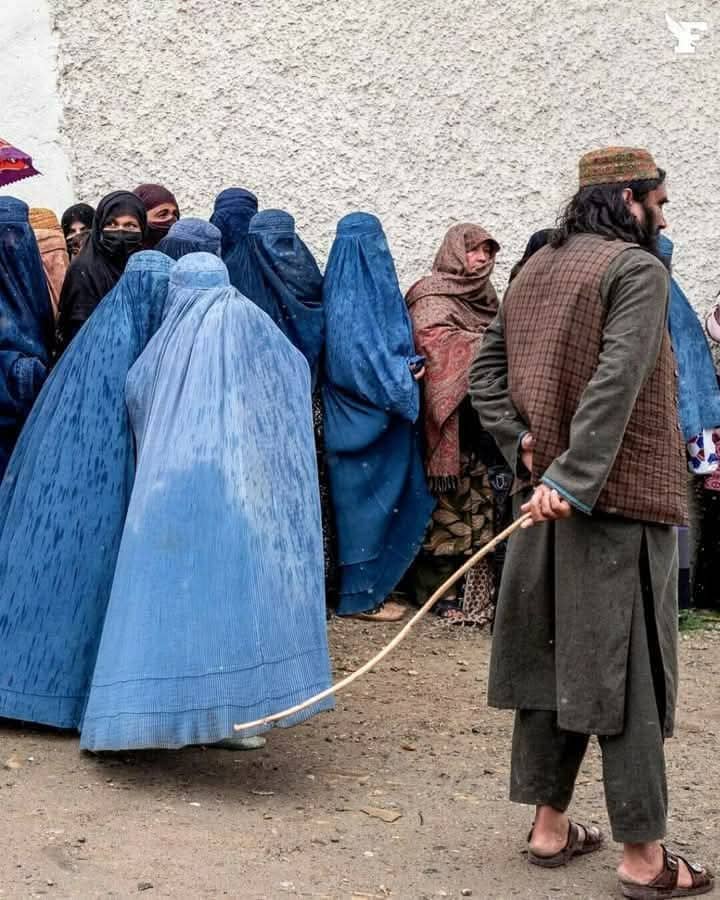
در قندهار، مجازات برای برخی محکومان با فرود آخرین ضربه شلاق پایان نمییابد. آنچه در میدانهای عمومی آغاز میشود، پس از آزادی در کوچهها، خانهها و نگاههای مردم ادامه پیدا میکند. افرادی که کروه جانی طالبان آنان را در برابر صدها تماشاگر شلاق زدهاند، میگویند پیش از آنکه فرصت دفاع از خود را داشته باشند، نام و هویتشان در بلندگوها طنین انداخته و زندگیشان برای همیشه زیر سایه یک اتهام قرار گرفته است. روایتهای آنان نشان میدهد که مجازات علنی، تنها تن را هدف نمیگیرد؛ آبرو، روابط خانوادگی، آینده و جایگاه اجتماعی افراد نیز به میدان مجازات کشیده میشود، زخمی که به گفته قربانیان، بسیار ماندگارتر از درد شلاق است.
در بیش از پنج سال گذشته، کرهگ مزدور بیگانه گان طالبان صد ها تن را با اتهامهایی چون روابط جنسی خارج از ازدواج یا همجنسگرایی، علاوه بر حبس، در برابر دیدگان مردم نیز شلاق زدهاند. شماری از افرادی که این مجازات را در قندهار تجربه کردهاند، میگویند پیش از اجرای حکم، مأموران طالبان با استفاده از بلندگو نام و هویت آنان را برای حاضران اعلام میکردند و مردم را به تماشای صحنه اجرای مجازات فرامیخواندند. به گفته آنان، روند رسیدگی به پروندهها فاقد فرصت کافی برای دفاع بوده و احکام، بدون ارائه شواهدی که متهمان آن را معتبر بدانند، صادر شده است. بسیاری از این افراد میگویند رنج آنان با پایان دوران زندان خاتمه نیافت؛ بلکه پس از آزادی، با طرد اجتماعی، نگاههای تحقیرآمیز و قضاوتهای سنگین اطرافیان روبهرو شدند.
قمریه (نام مستعار)، زن 31 سالهای که در سال ۲۰۲۴ در ورزشگاه قندهار در برابر انظار عمومی شلاق زده شد، هنوز خاطره آن روز تلخ را با اندوهی عمیق به یاد میآورد. او میگوید که در همان روز، طالبان 16 نفر دیگر را نیز همراه با او در حضور جمعیت مجازات کردند.
به گفته او، ابتدا به اتهام «روابط نامشروع» 52 روز در بازداشت نگه داشته شد و پس از آن، همراه با 16 متهم دیگر به میدان ورزشگاه انتقال یافت؛ جایی که حکم شلاق در برابر دید صدها نفر اجرا شد. قمریه میگوید ازدحام جمعیت و نگاههای سنگین مردم، برایش از خود مجازات دردناکتر بود.
او روایت میکند: «جمعیت زیادی آمده بودند. ما 16نفر را در وسط میدان نشانده بودند و همه فقط به ما نگاه میکردند؛ انگار پیشاپیش درباره ما قضاوت کرده بودند.»
قمریه میگوید پیش از اجرای حکم از مسئولان طالبان خواسته بود اگر قرار است مجازات شود، این کار را دور از چشم مردم انجام دهند، اما درخواستش نادیده گرفته شد.
به گفته شاپیری، درد آن روز تنها به شلاق ختم نشد. او میگوید طالبان پیش از اجرای حکم، از طریق بلندگو نهتنها نامش، بلکه نام خانوادگی و دیگر مشخصات هویتی او را نیز برای حاضران اعلام کردند؛ اقدامی که به باور او، آبرو و حریم شخصیاش را در برابر صدها نفر از میان برد.
او با یادآوری آن لحظات میگوید: «به طالبان گفتم اگر قرار است مجازاتم کنید، همان داخل زندان این کار را انجام دهید، اما مرا مقابل مردم قرار ندهید. هیچکدام از حرفهایم را نشنیدند. همانجا نام، نام خانوادگی و تمام مشخصاتم را با بلندگو اعلام کردند تا همه بدانند چه کسی هستم.»
روایت مراد خان جوان 27 ساله اهل قندهار، نیز تصویر دیگری از پیامدهای این مجازاتها ارائه میدهد. او که هنگام گفتوگو بارها اشک میریزد، میگوید سنگینی بدنامی برایش از خود زندان و شلاق سختتر بوده است. با صدایی لرزان میگوید: «به خدا قسم، آن روزها آرزو میکردم بمیرم؛ فقط برای اینکه دیگر مجبور نباشم با این ننگ در جامعه زندگی کنم.»
او توضیح میدهد که در در اویل سال 2024 برای دیدار یکی از بستگانش به روستایی در حاشیه قندهار رفته بود. به گفته او، همان شب نیروهای طالبان به خانه یورش بردند و او را همراه با دو نفر دیگر به اتهام تجاوز جنسی به یک دختر بازداشت کردند. مراد خان مدعی است که پس از مدتی، دو متهم دیگر به دلیل داشتن واسطه آزاد شدند، اما پرونده تنها علیه او ادامه یافت.
او میگوید در جریان رسیدگی به پرونده، بارها از قاضی طالبان خواسته بود اجازه دهد با انجام معاینه پزشکی و حتی ادای سوگند، بیگناهی خود را ثابت کند، اما چنین فرصتی هرگز در اختیارش قرار نگرفت. به گفته او، در نهایت بدون آنکه امکان دفاع مؤثر داشته باشد، به یک سال زندان و 45 ضربه شلاق محکوم شد.
مراد خان معتقد است که نبود دادرسی عادلانه و شنیده نشدن صدای متهمان، فشار روانی سنگینی بر زندانیان وارد میکند. او میگوید برخی از افرادی که در زندان با آنان همبند بوده، به دلیل ناامیدی از روند رسیدگی، تا مرز خودکشی پیش رفتهاند.
زندگی پس از مجازات؛ وقتی شلاق پایان رنج نیست
برای بسیاری از کسانی که در ملأعام شلاق خوردهاند، پایان دوران زندان آغاز مرحلهای دشوارتر بوده است. آنان میگویند پس از آزادی، نهتنها فرصت بازگشت به زندگی عادی را پیدا نکردهاند، بلکه هر روز با قضاوت، سرزنش و نگاههای تحقیرآمیز اطرافیان روبهرو شدهاند.
قمریه میگوید پس از بازگشت به خانه، تنها کسی که همچنان در کنار او ایستاد، مادرش بود. به گفته او، دیگر اعضای خانواده رفتارشان بهکلی تغییر کرد و او را مسئول خدشهدار شدن حیثیت خانواده میدانستند. این برخوردها به فضای خانه محدود نماند؛ بستگان، همسایهها و بسیاری از آشنایان نیز از او فاصله گرفتند و بارها او را به دلیل آنچه رخ داده بود، سرزنش کردند.
او میگوید این بدنامی حتی آینده شخصیاش را نیز تحت تأثیر قرار داده است. به گفته قمریه، چندین خانواده برای خواستگاری به خانهشان آمده بودند، اما پس از آنکه فهمیدند او در ملأعام شلاق زده شده است، از تصمیم خود منصرف شدند.
او میگوید: «هر کسی که به خانه ما میآید، با نگاه متفاوتی به من نگاه میکند. احساس میکنم همه از من متنفرند. دیگر کسی حاضر نیست با من ازدواج کند. حالا خانوادهام میگویند شاید فقط بتوانی همسر مردی شوی که همسرش را از دست داده باشد.»
مراد خان نیز از تجربهای مشابه سخن میگوید. او میگوید در محل زندگیاش بسیاری او را نه با نام خودش، بلکه با عنوان فردی میشناسند که در ملأعام شلاق زده شده است. به گفته او، این برچسب اجتماعی هر روز تکرار میشود و زندگی عادی را از او گرفته است.
او میگوید فشار این وضعیت بارها او را به فکر پایان دادن به زندگیاش انداخته است؛ اما حمایت شماری از دوستانش مانع عملی شدن این تصمیم شده است. آنان به او گفتهاند که نباید خود را مقصر بداند و ریشه مشکل را باید در نبود عدالت و روند رسیدگی به پروندهها جستوجو کرد.
مزاد خان میگوید رنج او با پایان دوران زندان و اجرای حکم خاتمه نیافت. به گفته او، از زمانی که در ملأعام شلاق زده شد، بسیاری از مردم او را نه با هویت واقعیاش، بلکه با اتهامی که علیه او مطرح شده است، میشناسند. او میگوید این برچسب اجتماعی، هر روز بیش از گذشته زندگیاش را زیر سایه برده و احساس میکند فرصت بازگشت به یک زندگی عادی را از دست داده است.
مراد خان میگوید: «هر جا میروم، بعضیها با اشاره به من میگویند این همان کسی است که طالبان در ملأعام شلاق زدند. مدام از من میپرسند چه شد که چنین مجازاتی کشیدی و با حرفهایشان مرا سرزنش میکنند. گاهی آنقدر از این وضعیت خسته میشوم که به خودکشی فکر میکنم؛ اما دوستانم میگویند خودت را مقصر ندان، مشکل اصلی بیعدالتی است.»
جامعهای با دو نگاه متفاوت
مجازاتهای علنی طالبان در ولایتهای جنوبی افغانستان، واکنشهای متفاوتی در میان مردم برانگیخته است. گروهی این شیوه را ابزاری برای کنترل جرم و کاهش آن میدانند، در حالی که گروهی دیگر آن را اقدامی تحقیرآمیز و فاقد اثر پایدار در حل مشکلات اجتماعی توصیف میکنند.
شیر آغا، از باشندگان ناحیه اول شهر قندهار، از حامیان این نوع مجازات است. او باور دارد که اجرای احکام در برابر دیدگان مردم میتواند نقش بازدارنده داشته باشد و از افزایش جرایم جلوگیری کند. به گفته او، افرادی که مرتکب جرم میشوند باید هم زندانی شوند و هم در ملأعام مجازات شوند تا دیگران از تکرار چنین اعمالی پرهیز کنند.
در مقابل، شماری دیگر از باشندگان قندهار معتقدند تکیه بر مجازاتهای علنی، بدون رسیدگی به عوامل اصلی بروز جرم، نمیتواند راهحل مؤثری باشد. آنان میگویند کاهش جرایم نیازمند سیاستهایی است که زمینههای اقتصادی و اجتماعی ارتکاب جرم را کاهش دهد و مردم را از قرار گرفتن در موقعیتهای آسیبزا دور نگه دارد.
گل الرحمن فعال مدنی در قندهار، نیز بر همین باور است. او میگوید هرچند طالبان افرادی را که به اتهام جرایمی مانند سرقت، روابط خارج از ازدواج یا دیگر تخلفات اخلاقی بازداشت میکنند، مجازات میکنند، اما این رویکرد بهتنهایی مشکل را حل نخواهد کرد. به اعتقاد او، ایجاد فرصتهای شغلی، کاهش فشارهای اقتصادی و فراهم کردن شرایط آسانتر برای ازدواج، راهکارهایی است که میتواند در کاهش بسیاری از این آسیبها مؤثرتر از مجازاتهای علنی باشد.
روایت افرادی که در تهیه این گزارش با آنان گفتوگو شده، نشان میدهد پیامدهای شلاق در ملأعام تنها به لحظه اجرای حکم محدود نمیشود. اعلام نام، هویت و اتهام افراد در برابر جمعیت، برای بسیاری از آنان آغاز دورهای از انزوای اجتماعی، قضاوتهای مداوم، فشارهای خانوادگی و از دست رفتن فرصتهای عادی زندگی بوده است؛ پیامدهایی که به گفته آنان، حتی پس از پایان دوران محکومیت نیز همچنان ادامه دارد.
The Taliban’s Whip and the Lasting Wound: The Story of Those Punished in Public—and Then Rejected by Society
In Kandahar, for some people subjected to punishment, the ordeal does not end with the final stroke of the whip. What begins in public squares continues after their release—in their neighborhoods, inside their homes, and in the eyes of those around them. People who say they were publicly flogged by Taliban forces in front of hundreds of spectators recount how, before they were given any meaningful opportunity to defend themselves, their names and identities were broadcast over loudspeakers, leaving their lives permanently overshadowed by an accusation. Their accounts suggest that public punishment does not target the body alone; dignity, family relationships, future prospects, and social standing are also dragged into the arena of punishment. For these survivors, the wound left behind can last far longer than the pain of the whip itself.
For more than five years, the Taliban have publicly flogged hundreds of people accused of offenses including extramarital sexual relations or same-sex relationships, in addition to imprisoning them. Some people in Kandahar who have experienced such punishment say Taliban officials announced their names and identities over loudspeakers before the punishment and called on people to gather and watch the proceedings. They say they were not given adequate opportunities to defend themselves and that decisions were based largely on allegations against them, without evidence they considered sufficient or credible.
For many of these people, the suffering did not end when their prison sentences were over. After returning home, they found themselves facing social isolation, contempt, humiliation, and relentless judgment from relatives, neighbors, and members of their communities.
Qamariya, a pseudonym, is a 31-year-old woman who was publicly flogged at a stadium in Kandahar in 2024. She still recalls that day with deep sadness. She says that Taliban authorities punished her alongside 16 other people in front of a crowd.
According to Qamariya, she was initially detained for 52 days on accusations of “illicit relations.” She was then taken, together with the other 16 accused people, to the stadium, where the sentence was carried out in front of hundreds of spectators.
She says the crowd and the weight of their eyes were, in some ways, more painful than the punishment itself.
“There was a huge crowd. They made the 16 of us sit in the middle of the field, and everyone was staring at us, as if they had already judged us,” she recalls.
Qamariya says that before the punishment was carried out, she pleaded with Taliban officials not to flog her in front of the public and asked that, if she was to be punished, it be done away from the eyes of others. Her request, she says, was ignored.
According to Qamariya, the humiliation did not end with the flogging. Taliban officials also announced her full identity over loudspeakers, including her name, family name, and other personal details. She says the public disclosure stripped her of whatever privacy and dignity she still had.
“I told the Taliban that if they were going to punish me, they should do it inside the prison, but they should not put me in front of the people. They ignored everything I said. Right there, they announced my name, my family name, and all my personal details over the loudspeaker so that everyone would know who I was,” she says.
The story of Murad Khan, a 27-year-old man from Kandahar, offers another account of the consequences of public punishment. He repeatedly breaks down in tears while speaking about his experience. He says the stigma he has carried since his punishment has been more difficult to bear than the prison sentence and the flogging itself.
“By God, in those days I wished I could die—just so I would not have to live with this shame in society,” he says in a trembling voice.
Murad Khan says that in early 2024, he had traveled to a village on the outskirts of Kandahar to visit a relative. That same night, he says, Taliban forces raided the house and arrested him along with two other men, accusing them of sexually assaulting a girl.
According to Murad Khan, the two other suspects were later released because they had influential intermediaries, while the case continued against him alone.
He says that during the proceedings, he repeatedly asked the Taliban judge to allow him to undergo a medical examination and even offered to swear an oath that he had played no role in the alleged incident. But, he says, he was never given a meaningful opportunity to defend himself.
Eventually, according to Murad Khan, he was sentenced to one year in prison and 45 lashes.
He believes the absence of a fair judicial process and the failure to hear defendants’ accounts place enormous psychological pressure on prisoners. He says some of the people he met in prison became so desperate about their cases that they reached the point of attempting suicide.
Life After Public Flogging: When the Punishment Does Not End
For many people publicly flogged by the Taliban, leaving prison marks the beginning of an even more difficult chapter. They say that instead of being able to return to ordinary life, they find themselves confronted every day by suspicion, condemnation, humiliation, and hostile looks from those around them.
Qamariya says that after returning home, her mother was the only person who continued to stand by her. According to her, the rest of her family changed their attitude toward her and blamed her for damaging the family’s reputation.
The hostility, she says, did not stop at the doors of her home. Relatives, neighbors, and acquaintances began distancing themselves from her and repeatedly blamed her for what had happened.
The stigma also affected her prospects for marriage. Qamariya says several families had previously come to their home to inquire about marriage, but withdrew once they learned that she had been publicly flogged.
“Everyone who comes here looks at me differently. I feel that everyone hates me. No one is willing to marry me anymore. Now my family says perhaps the only option is to marry me to a man whose wife has already died,” she says.
Murad Khan describes a similar experience. He says many people in his community no longer know him by his own name, but instead identify him as the man who was publicly flogged by the Taliban.
According to him, the label follows him wherever he goes and has made it extremely difficult to rebuild a normal life.
Murad Khan says the pressure has repeatedly driven him to think about ending his life, but support from several close friends has prevented him from acting on those thoughts. His friends, he says, have repeatedly told him that he should not blame himself and that the deeper problem lies in the absence of justice and in the way cases are handled.
“Wherever I go, some people point at me and say, ‘That is the man the Taliban flogged in public.’ They constantly ask me what happened and why I was punished like that, and they blame me with their words. Sometimes I become so exhausted by it that I think about suicide. But my friends tell me not to blame myself and say that the real problem is injustice,” he says.
A Society Divided Over Public Punishment
The Taliban’s public punishment Afghanistan’s southern provinces have provoked sharply different reactions. Some people see public flogging as a deterrent against crime and believe that harsh punishment can help control criminal behavior. Others view the practice as degrading and argue that public punishment cannot provide a lasting solution to the social problems behind crime.
Sher Agha, a resident of District One in Kandahar city, supports such punishments. He believes carrying out sentences in front of the public can have a deterrent effect and discourage others from committing similar offenses.
In his view, people who commit crimes should be both imprisoned and punished publicly so that others will think twice before committing similar acts.
Other residents of Kandahar, however, argue that relying on public punishment without addressing the underlying causes of crime cannot provide an effective solution. They say reducing crime requires measures that address the economic and social pressures that contribute to vulnerability and harmful behavior.
Gul Rahman, a civil society activist in Kandahar, shares this view. He says that although the Taliban punish people accused of offenses such as theft, extramarital relationships, and other acts they classify as moral violations, punishment alone cannot resolve these problems.
He argues that creating employment opportunities, easing economic pressures, and making marriage more accessible could do more to address some of the social problems behind such cases than public flogging.
The accounts of those interviewed for this report suggest that the consequences of public flogging extend far beyond the moment when the sentence is carried out. Publicly announcing a person’s name, identity, and alleged offense can expose them to social stigma, family pressure, humiliation, and isolation long after they have served their sentence.
For those who lived through it, the punishment may have lasted minutes. The label attached to them, however, can follow them for years.
